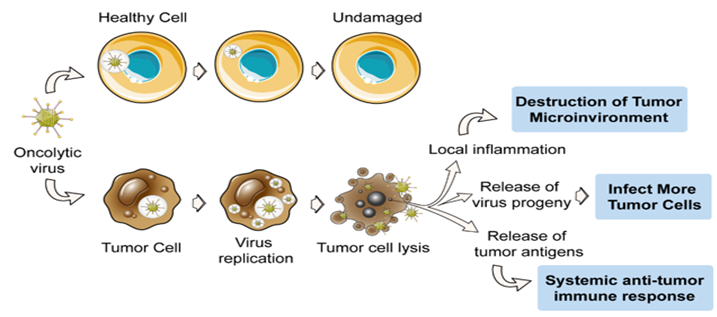
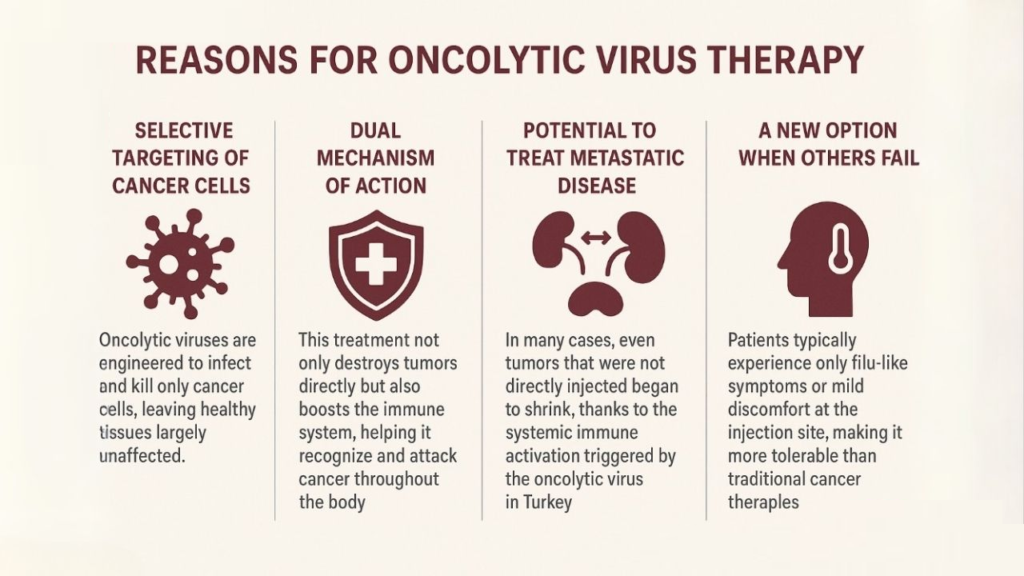
What sets this treatment apart is its power to trigger the immune system
Reasons for Oncolytic Virus Therapy
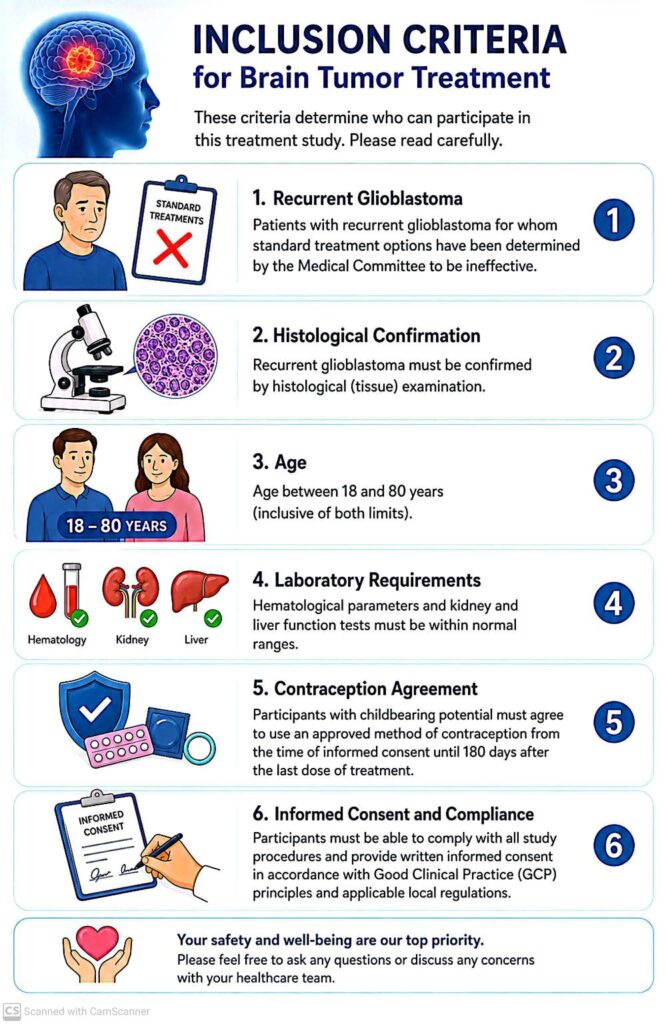
Who Is a Candidate for Oncolytic Virus Therapy
Before Oncolytic Virus Therapy in IRAN
After Oncolytic Virus Therapy in IRAN
2026 Cost of Oncolytic Virus Therapy
Why Is Oncolytic Virus Therapy Cheaper in IRAN
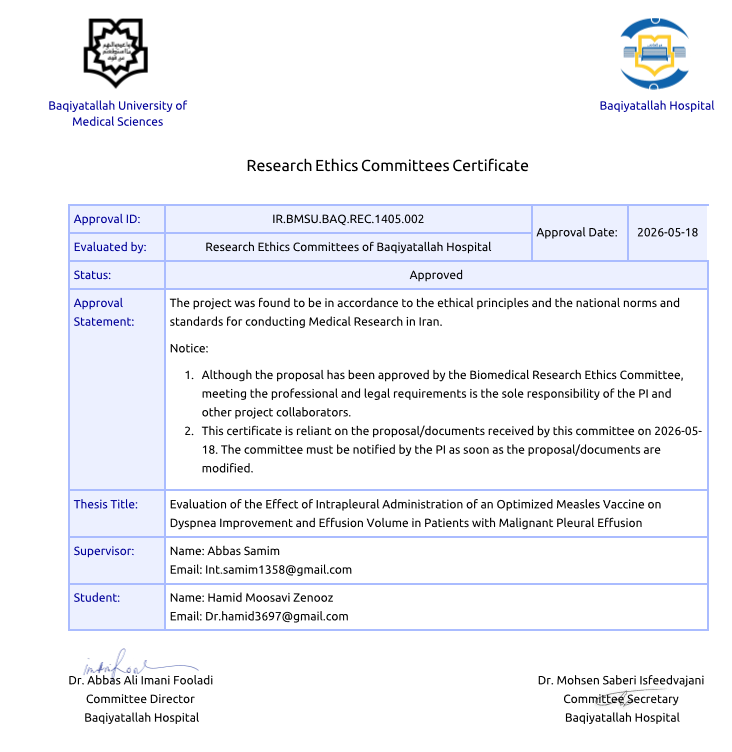
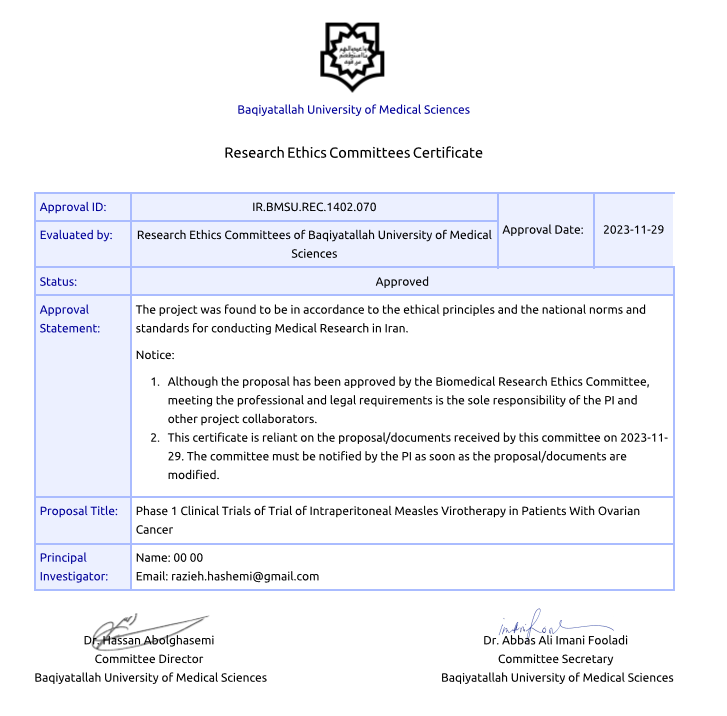
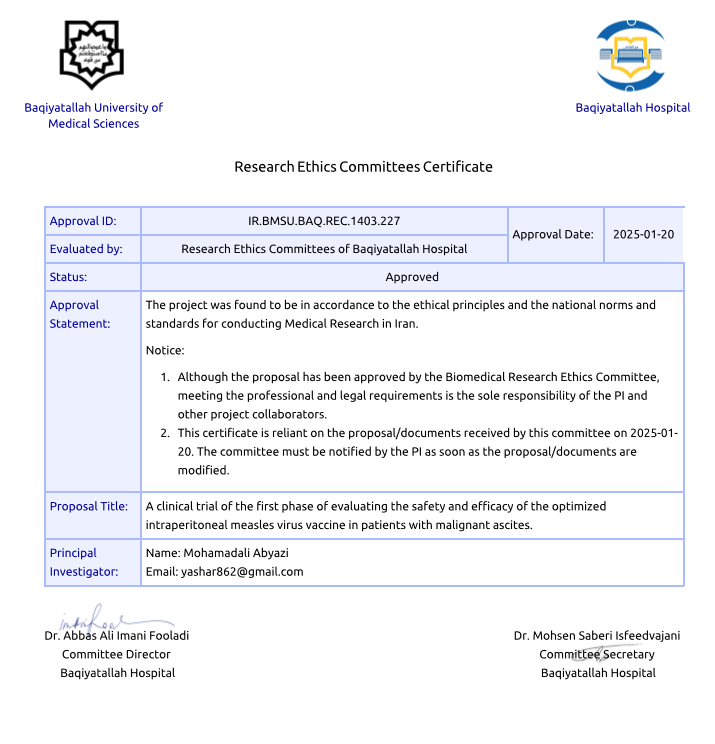
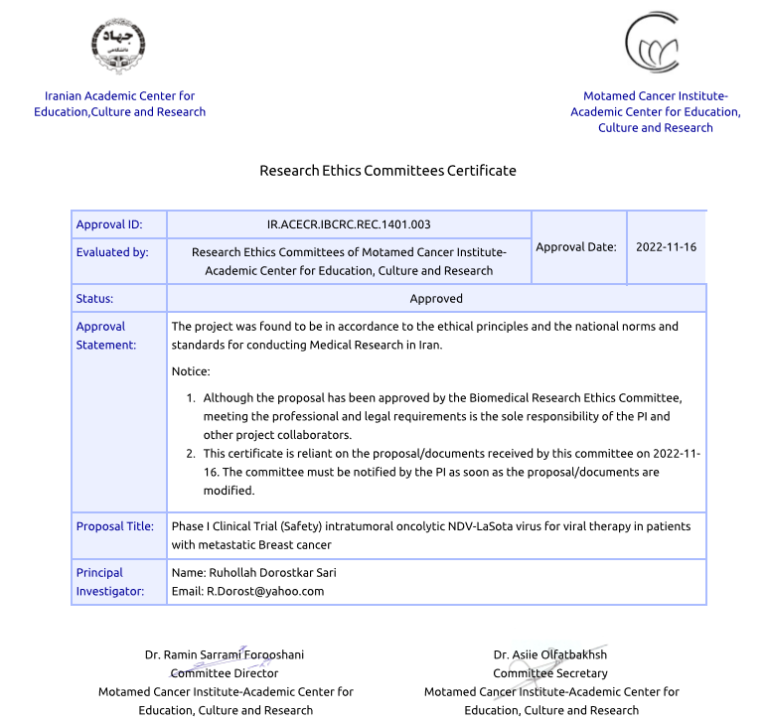
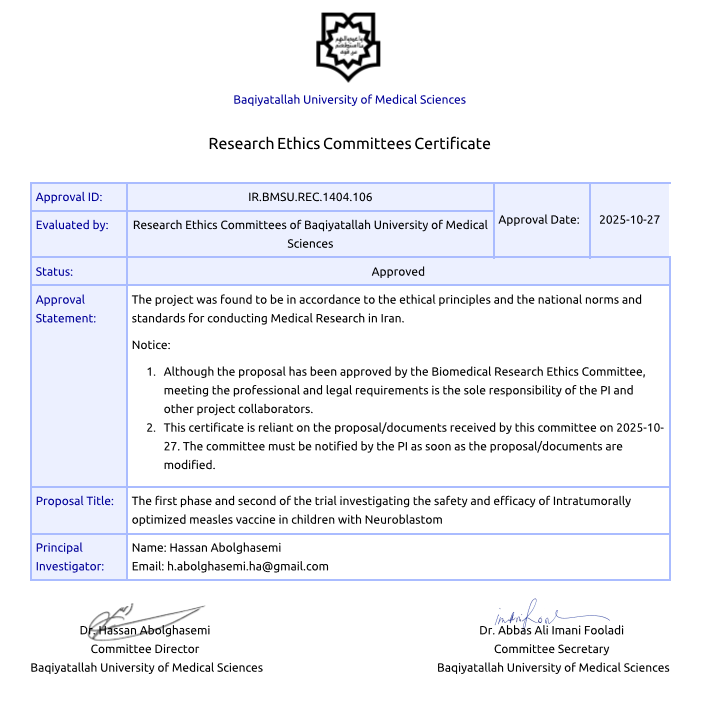
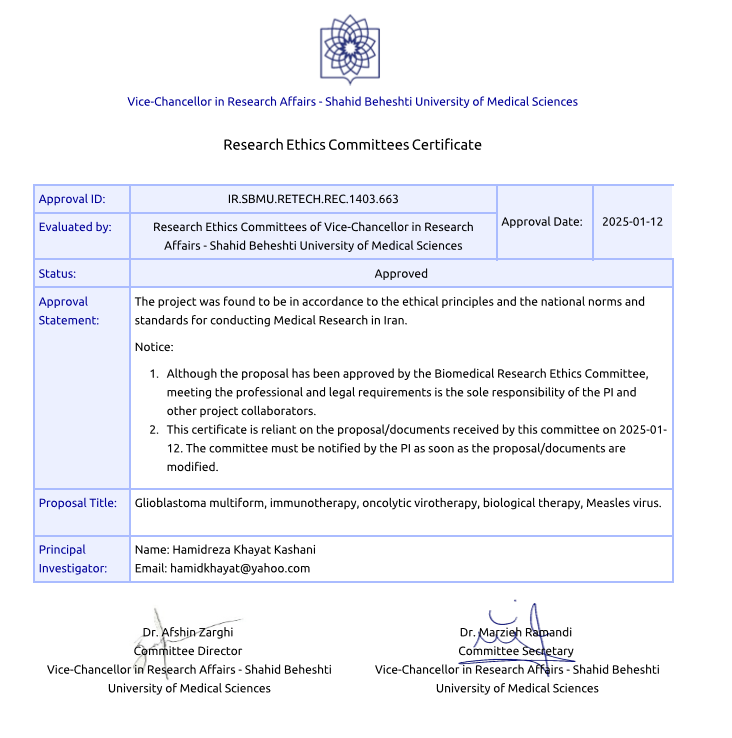
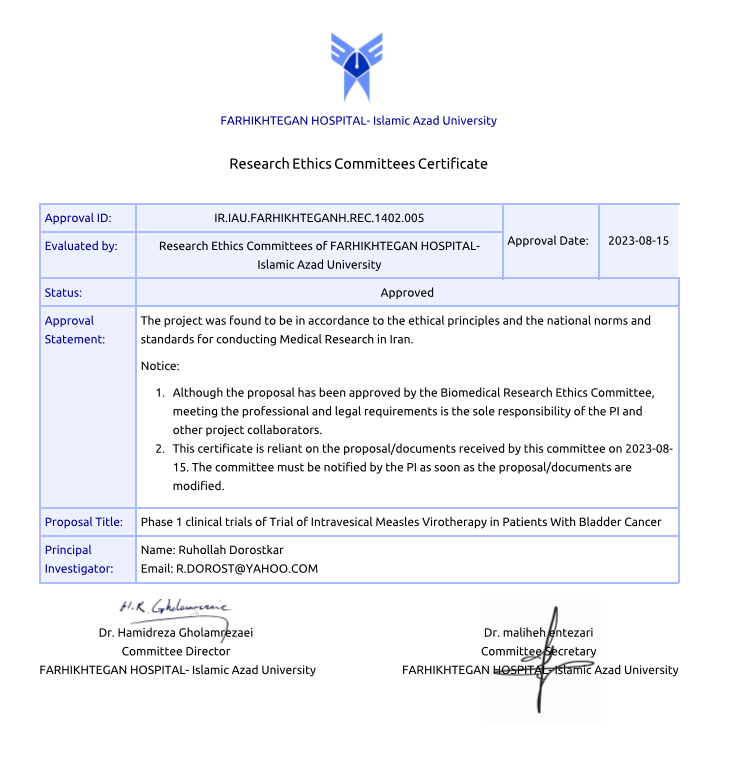
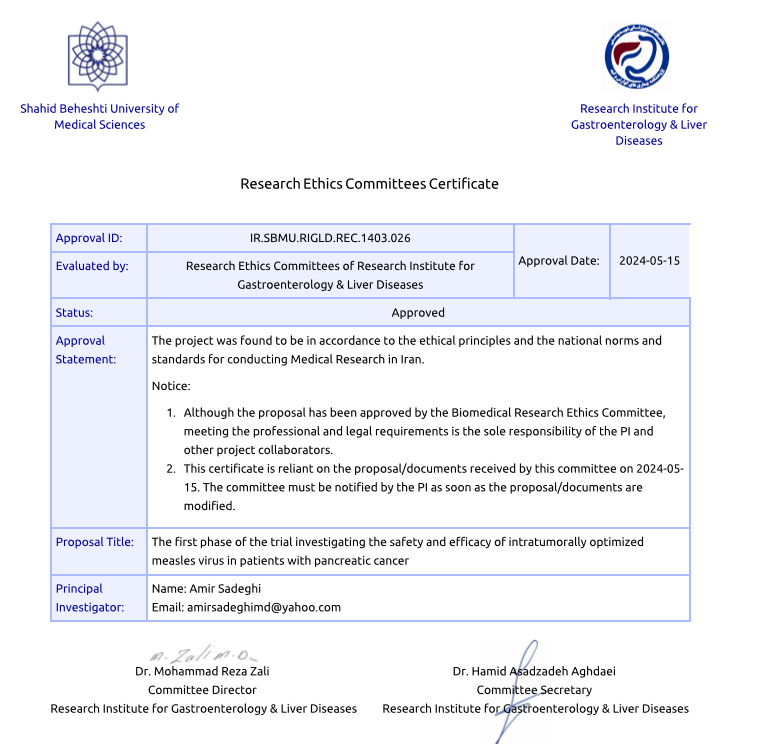
Why Choose IRAN for Oncolytic Virus Therapy
Is Oncolytic Virus Therapy Safe in IRAN
All-Inclusive Package for Oncolytic Virus Therapy in IRAN
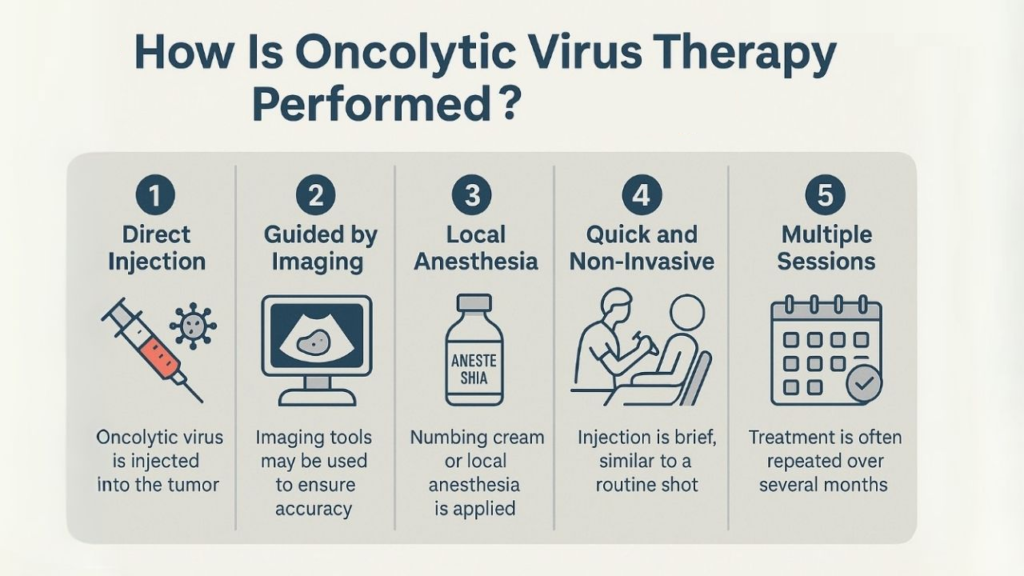
First Oncolytic Virus Therapy for Brain Cancer Performed in Iran
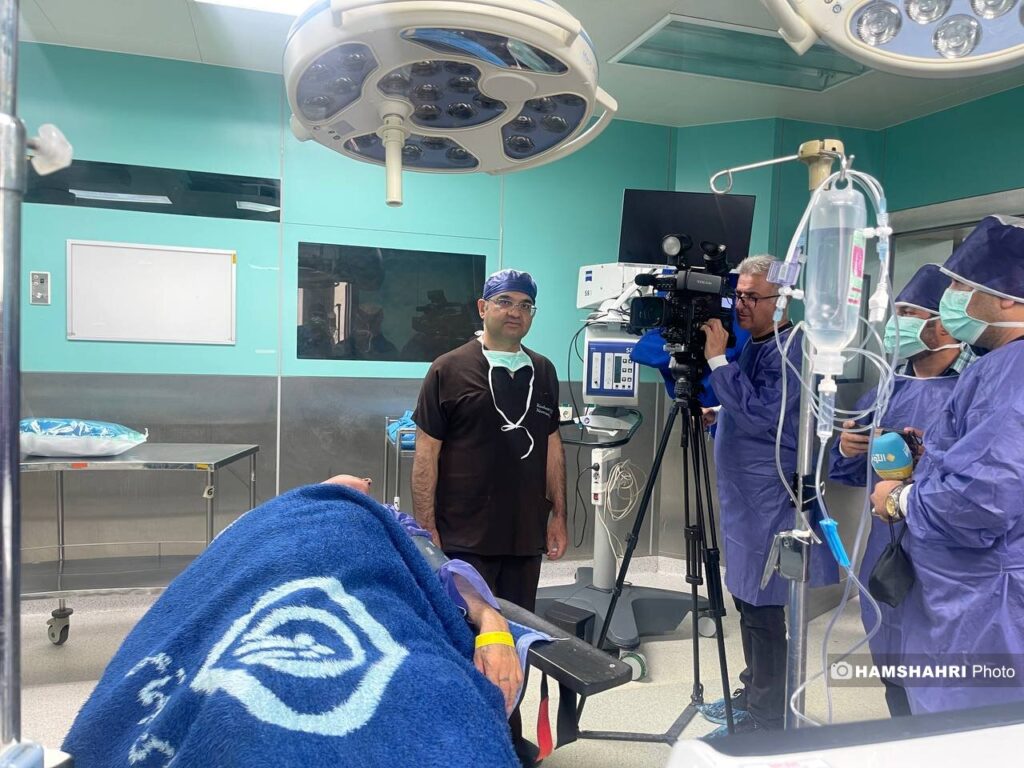
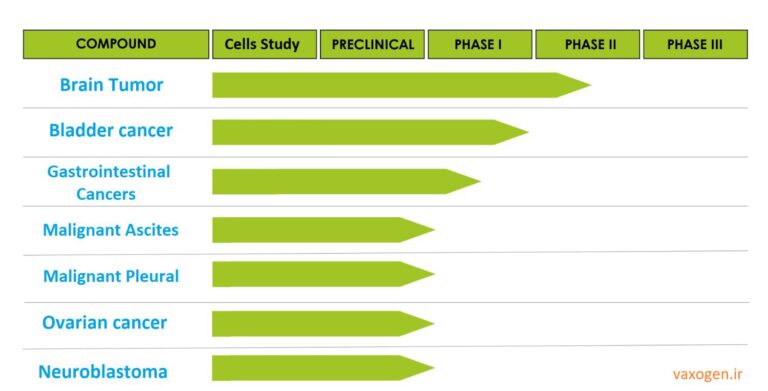
Iranian researchers have completed the country’s first clinical trial of an oncolytic virus therapy for patients with glioblastoma multiforme (GBM), the most common and aggressive malignant brain tumor in adults, at Imam Hossein Hospital in Tehran.
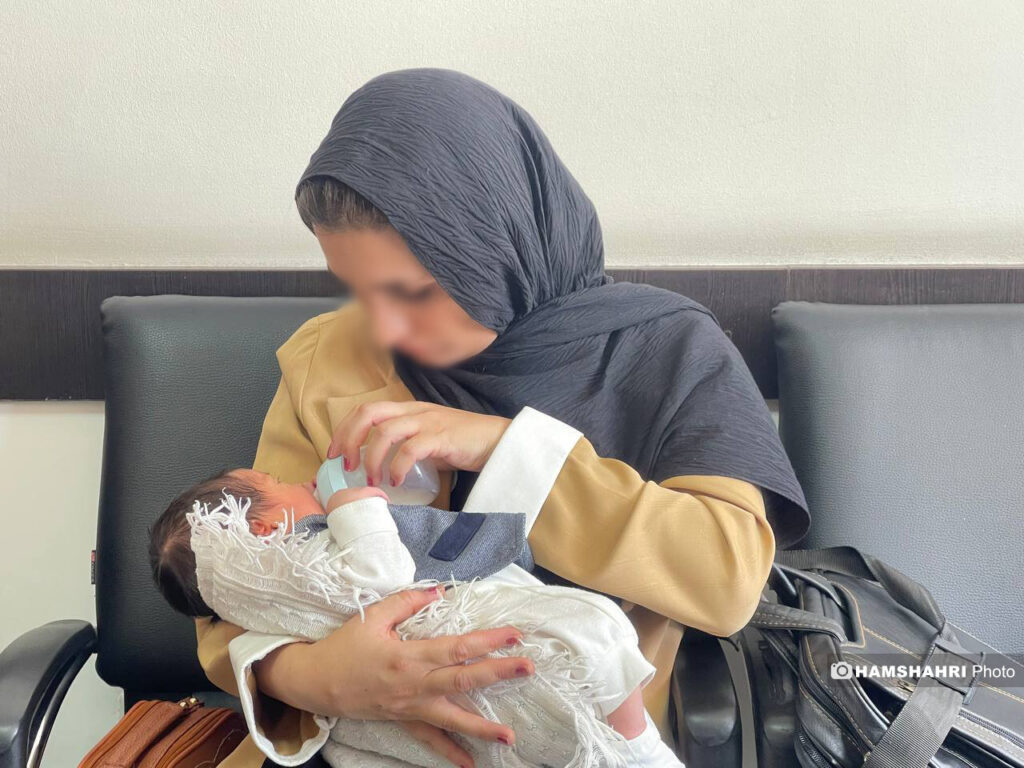
The experimental treatment was evaluated in a Phase I clinical trial involving nine patients with glioblastoma multiforme (GBM). Patients with GBM typically survive for only about 12 months after diagnosis despite undergoing surgery, radiotherapy, and chemotherapy.The treatment uses an engineered oncolytic virus designed to selectively target and destroy cancer cells. Oncolytic virotherapy is considered one of the most promising emerging approaches for treating aggressive cancers and has been the subject of research and clinical use in countries including the United States and Japan.

The therapy developed by Iranian researchers is based on the measles vaccine virus. Scientists modified the virus by removing its disease-causing properties and engineering its genome to recognize and bind specifically to malignant tumor cells. Once inside the cancer cell, the virus replicates and destroys the tumor from within.Researchers said the therapy is also designed to stimulate the patient’s immune system. As tumor cells are destroyed, their contents are exposed to immune cells, helping the immune system recognize the cancer and mount an immune response against remaining tumor tissue.